
Complete Guide to Cybersecurity Awareness

Source: elegantimagerytv.com
Welcome to the Cybersecurity Awareness Knowledge Hub, a place where individuals, employees, and small businesses can learn how to recognize and respond to modern cyber threats. Cybersecurity awareness is an essential part of staying safe online, helping people understand how cyberattacks happen and how sensitive information can be protected.
This website focuses on explaining cybersecurity in a clear and practical way. Many users encounter unfamiliar concepts when learning about phishing, scams, malware, ransomware, and authentication methods. The goal of this resource is to make these topics easier to understand by providing straightforward explanations of how cyber threats work and how they can be prevented.
Throughout the site, readers can explore topics related to phishing attacks, online scams, password security, and multi-factor authentication (MFA). The content also discusses common threats such as malware, ransomware, and brute force attacks, as well as best practices for cyber hygiene and risk management. In addition, the site explains how cybersecurity awareness connects with everyday online activities, including email use, browsing, and protecting personal and business data.
Read more
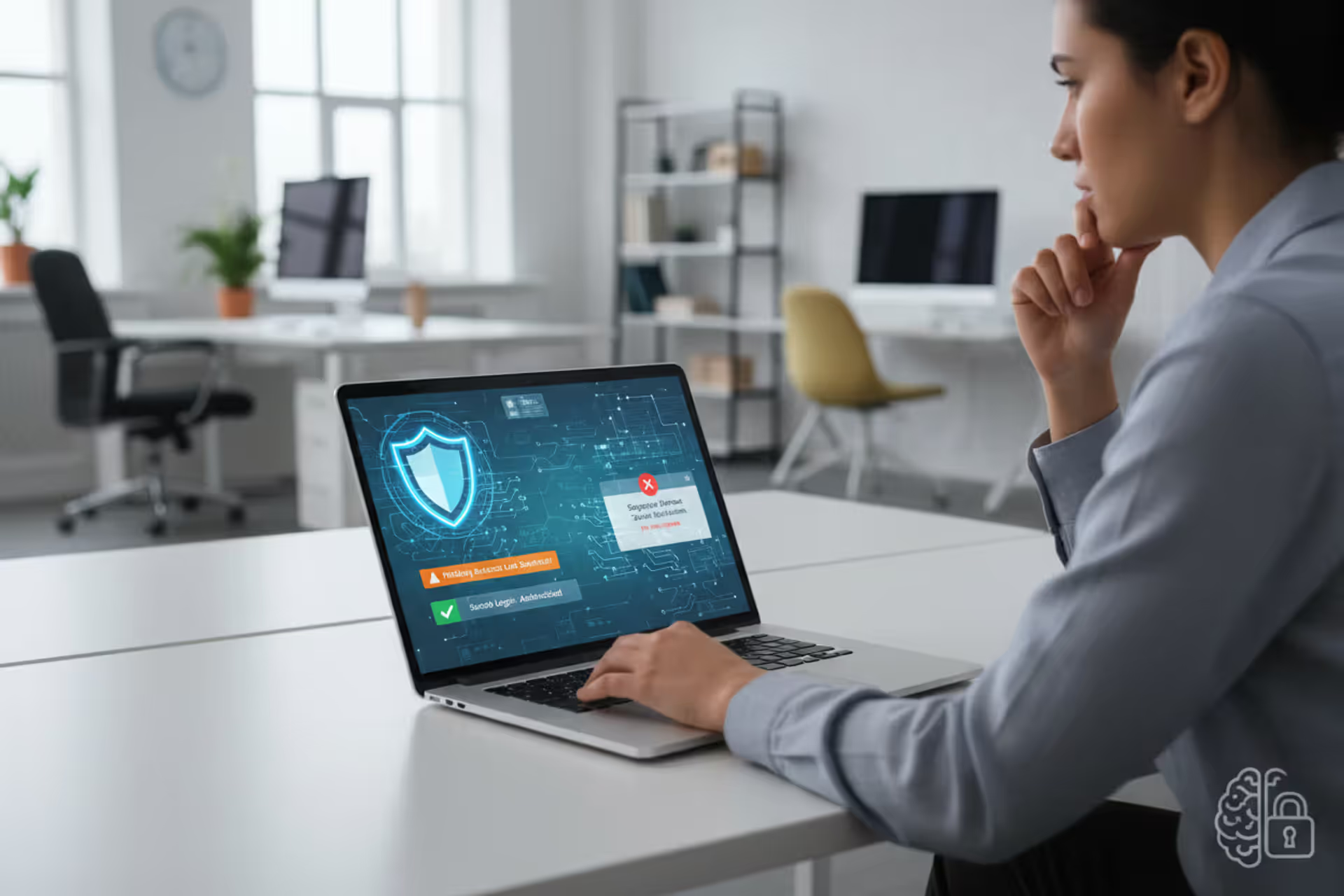
Top Stories

Read more

Read more

Read more
Read more
Trending
Read more
Read more

Latest articles






Most read
Read more

Read more
In depth
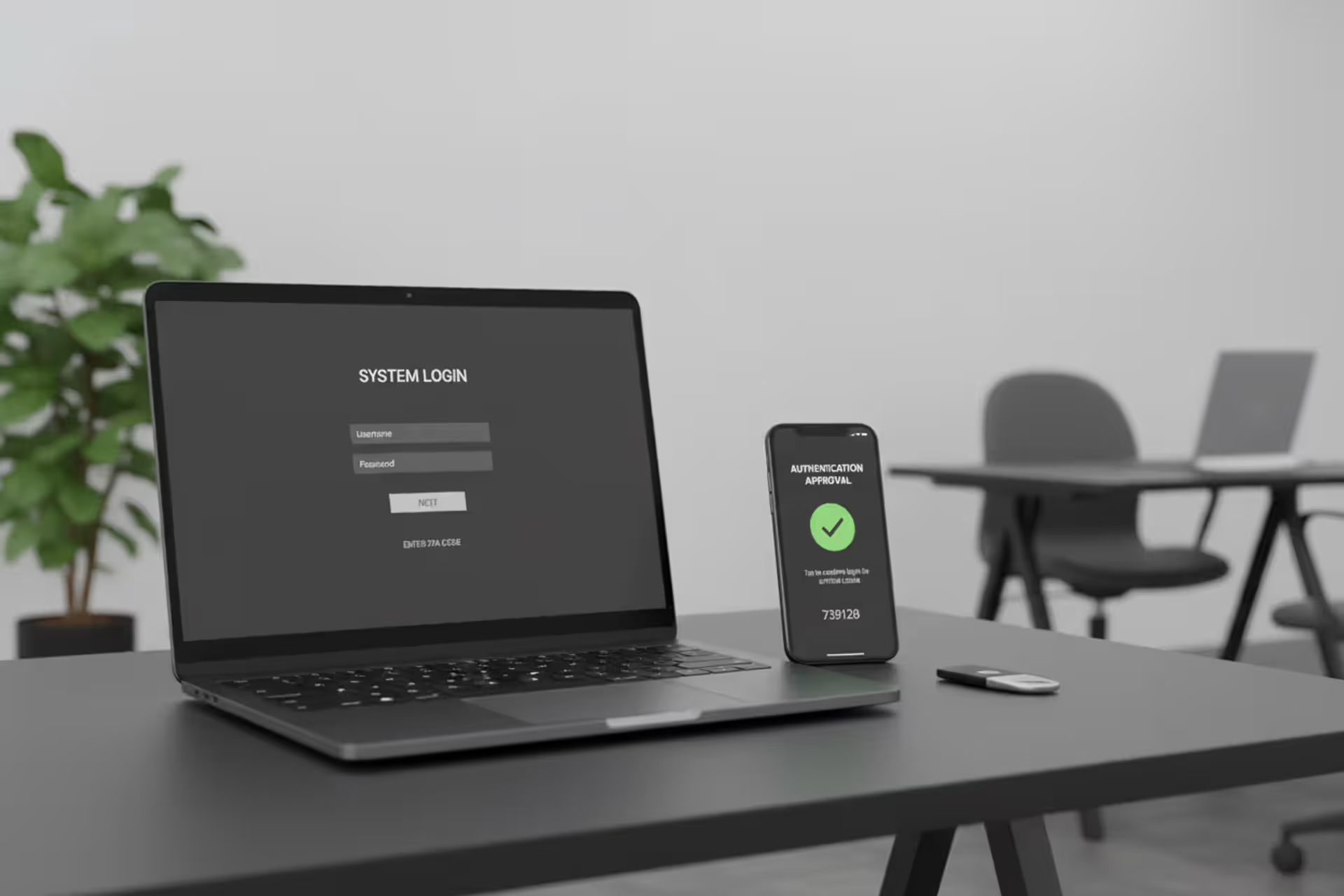
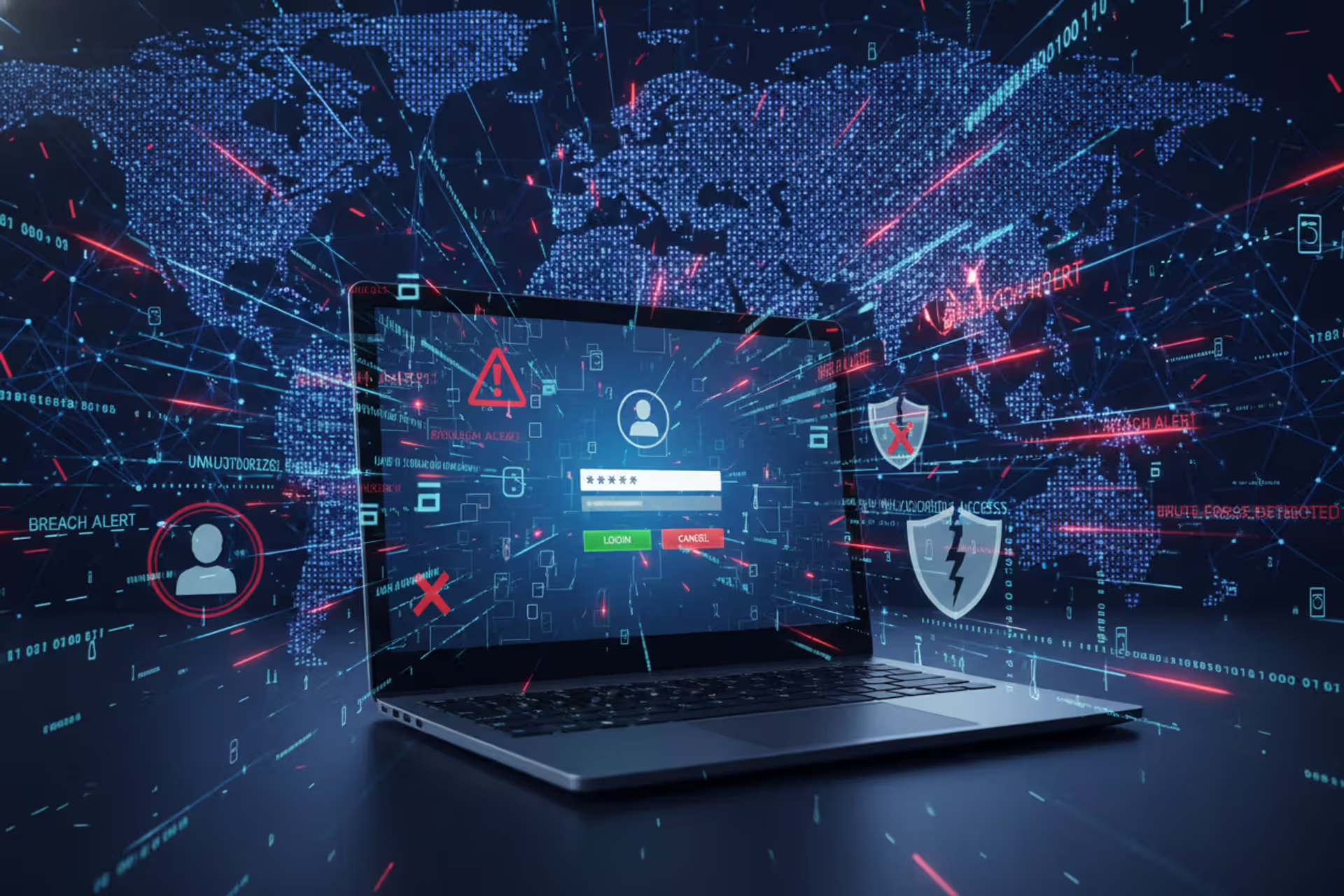
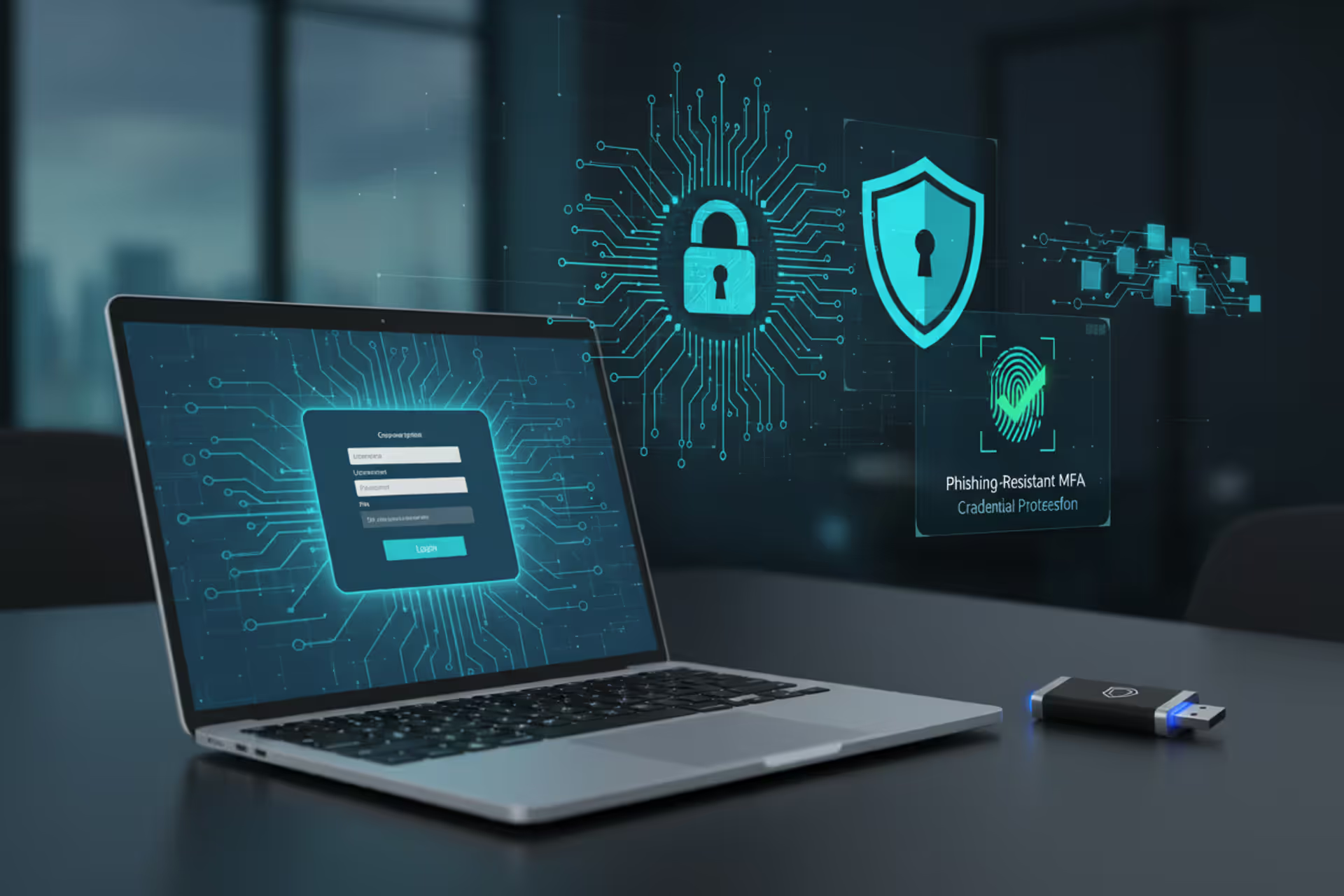
Here's what MFA means: Multi-Factor Authentication. It's the security process that won't let you into a system with just your password—you'll need at least one more way to prove you're actually you.
Think about your bank account. Password gets you to the door. Then your phone buzzes with a six-digit code. That's MFA in action. One credential isn't enough anymore, and there's a good reason for that: passwords leak constantly. They're stolen in breaches, guessed through phishing emails, and sold in bulk on forums you've never heard of.
The logic here? Breaking through one security layer is hard enough for attackers. Forcing them to crack two or three separate barriers simultaneously? That stops most threats cold. As credential theft continues driving the majority of successful breaches across every industry, this layered verification approach has shifted from "nice to have" to "you're gambling without it."
MFA Definition and Core Components
When we talk about the mfa definition in cyber security, we're really talking about three distinct buckets of proof. Authentic multi-factor authentication means pulling from at least two different buckets—not just piling up factors from the same category.
Something you know covers the mental stuff: your password, that PIN for your debit card, answers to security questions like your first pet's name. Everyone knows this category. It's also the weakest link. Why? Because knowledge can be transferred. Once someone phishes your password through a fak...
Read more

The content on this website is provided for general informational and educational purposes only. It is intended to explain concepts related to cybersecurity awareness, online threats, phishing attacks, and data protection practices.
All information on this website, including articles, guides, and examples, is presented for general educational purposes. Cybersecurity risks and protection strategies may vary depending on individual behavior, technology usage, and threat environments.
This website does not provide professional cybersecurity, legal, or technical advice, and the information presented should not be used as a substitute for consultation with qualified cybersecurity professionals.
The website and its authors are not responsible for any errors or omissions, or for any outcomes resulting from decisions made based on the information provided on this website.